The Death of the Generic Storefront
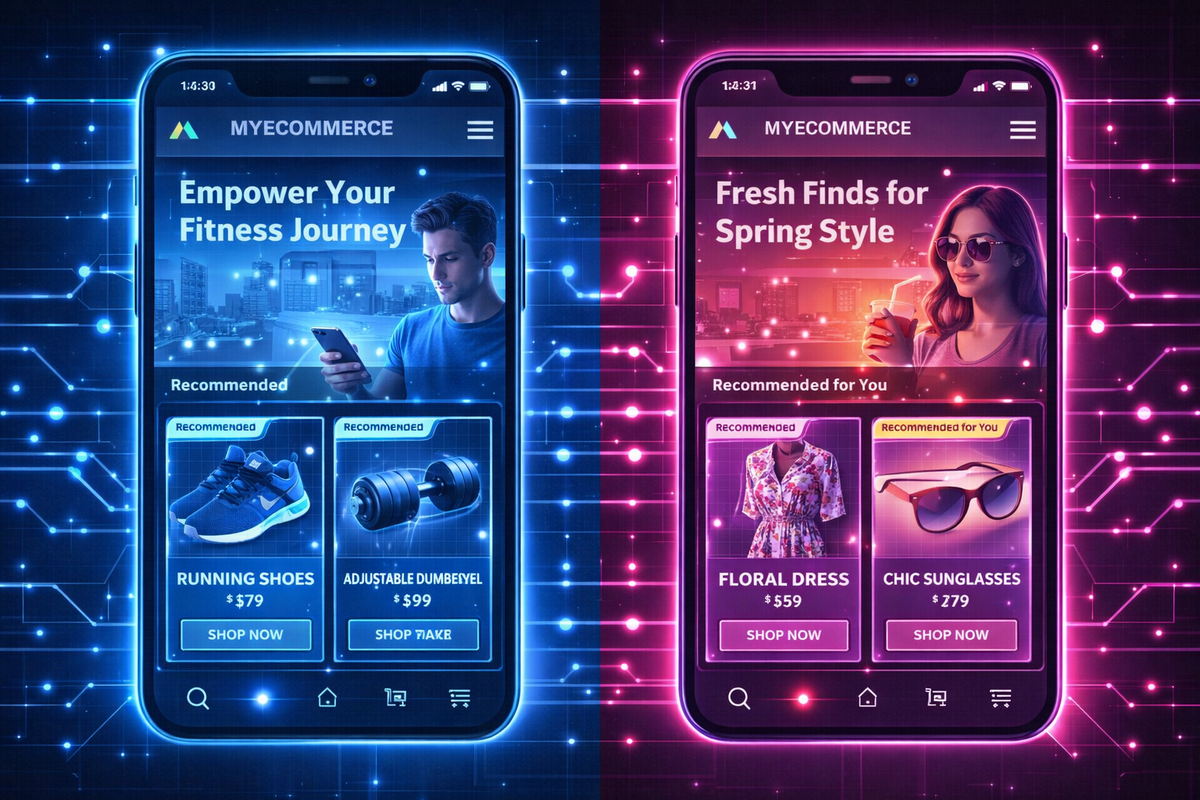
The digital storefront of 2026 is no longer a static catalogue; it is a fluid, responsive experience. Our internal performance data indicates a surge in "ecommerce seo" and "d2c personalization" queries, reflecting a critical shift in consumer expectations. Today, approximately 73% of shoppers expect brands to understand their unique needs, yet most D2C brands still serve the same landing page to every visitor.
The Ecommerce Workhorse is the solution to this "relevance gap." It is a system designed to handle the high-volume, high-intent traffic characteristic of retail, while delivering the 1:1 personalization required to drive conversions in a privacy-first world.
Need hands-on scaling support? Explore our D2C ecommerce marketing service.
The Server-Side Advantage: Bypassing the Ad-Blocker
The first technical requirement for the Ecommerce Workhorse is a move toward Server-Side Architectures. In 2026, ad blockers and browser-level privacy restrictions now impact over 40% of users in Tier 1 markets. Relying on traditional browser-based tracking (the "Pixel") means you are losing nearly half of your behavioral data before the user even scrolls.
By implementing server-side tracking (via GTM Server-Side or Meta’s Conversions API), D2C brands can:
- Maintain Data Integrity: Capture conversions and engagement signals that ad blockers would otherwise drop.
- Speed Up the Store: Shifting tracking scripts from the user's device to the server reduces page load times, directly improving Google Quality Scores and reducing the 53% abandonment rate of slow mobile pages.
- Fuel AI Personalization: Feed your machine-learning models with "cleaner" signals, allowing the site to adjust headlines and product modules in real-time based on the user's intent.
The Hub-and-Spoke Model for Product Intent
For Ecommerce, the Workhorse manifests as a "Hub and Spoke" content silo. This architecture signals topical depth to both human shoppers and AI answer engines like Google’s Search Generative Experience (SGE).
The Hub: High-Value Category Pages
Your "Hub" pages target broad, commercial-intent category terms (e.g., "Sustainably Sourced Fitness Gear"). These pages act as the central "Sun" of your content solar system, distributing authority to the satellites.
The Spokes: Answering "Information Gain" Queries
The "Spokes" are focused articles and guides that address the specific questions your audience asks before buying. Using the search term harvesting process, we identify "Information Gain" queries—queries that provide unique perspectives or data points that competitors are ignoring.
- Example: If PPC data shows users are searching for "how to clean hemp leggings without shrinking," that becomes a dedicated "Spoke" page linked directly to your product PDP.
This level of comprehensive content makes your brand a "trusted advisor" rather than just a vendor, which is essential for satisfying Google's E-E-A-T (Experience, Expertise, Authoritativeness, and Trustworthiness) standards.
Strategic Takeaway: Target a $3:1$ LTV:CAC ratio by using "Content-First" Meta ads to build retargeting pools for pennies before driving users to your high-conversion Workhorse pages
See how this framework delivered kGoal's 190% ecommerce growth.
Frequently Asked Questions (FAQ)
Why is server-side tracking mandatory for modern D2C ecommerce?
Server-side tracking allows brands to bypass browser-based ad blockers and cookie restrictions that now affect over 40% of users. By moving tracking to the server (e.g., Meta’s CAPI), you capture 100% of conversion data, ensuring your AI bidding models have accurate signals to optimize for high-value customers.
How does the "Hub and Spoke" content model improve organic sales?
The model organizes content into topical silos: "Hubs" capture broad commercial traffic, while "Spokes" answer specific pre-purchase questions. This internal linking structure signals authority to Google and AI answer engines, making your brand the default recommendation for complex shopping queries.
What is the benefit of "Content-First" ads for D2C brands?
"Content-First" ads use engagement-driven media, like video explainers, to build retargeting pools for fractions of a cent. Instead of bidding for expensive cold clicks, you target users who have already shown interest by watching 50% or more of your content, leading to a 2-3x higher conversion rate on the final offer.
How do I optimize my ecommerce product pages for AI assistants?
To be "machine-readable," product pages must utilize structured schema markup for prices, reviews, and availability. AI assistants prioritize pages with explicit identity and purpose statements in the first 200 words, allowing them to accurately summarize your offer in voice or generative search.